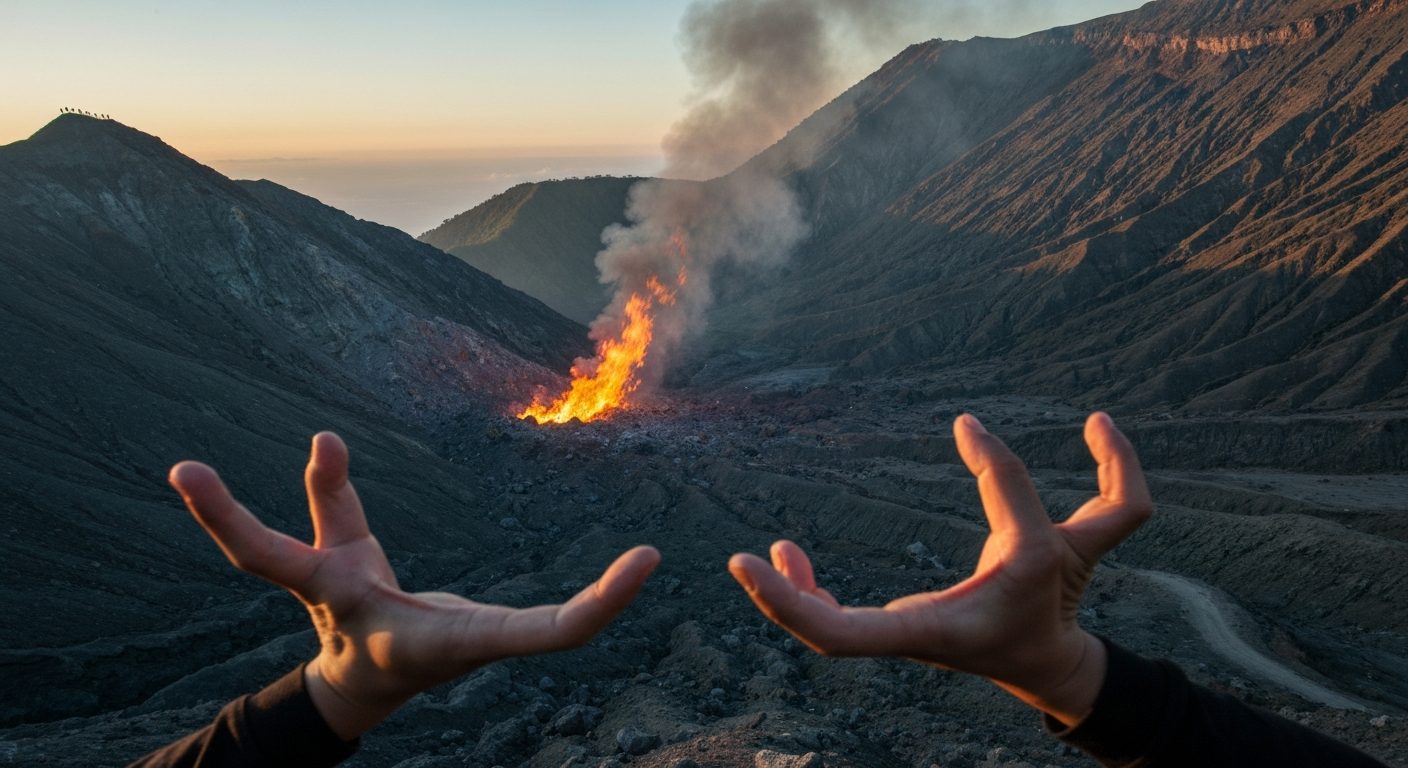
Many travelers wonder: is mount ijen blue fire tour safe from Bali? The short answer is yes, with the right preparation and a properly managed tour, it can be a safe and incredible experience, but it’s crucial to understand the real risks involved, particularly concerning sulfur gas exposure and the physical demands of the hike. Our team at Java Overland Tour, operated by Bali Premium Trip, specializes in turning the complex logistics of this journey into clear, private itineraries, ensuring you arrive prepared and confident, not surprised.
The Ijen blue fire tour from Bali is a truly unique natural spectacle, drawing visitors from across the globe. You’ll witness the mesmerizing electric-blue flames flickering in the dark crater, a phenomenon caused by the combustion of sulfuric gases. But this raw beauty comes with inherent challenges. The active volcano emits significant amounts of sulfur dioxide and hydrogen sulfide, gases that demand respect and proper safety protocols. The trek itself is challenging, requiring a good level of fitness and an early start. Our goal here is to provide a comprehensive, honest blue fire Ijen tour safety guide, detailing these risks and explaining exactly how a well-organized private tour mitigates them, ensuring your experience is both safe and rewarding.
Understanding the Risks: Sulfur Gas, Altitude, and the Hike’s Demands
Let’s be candid about what you’ll encounter. The Ijen experience is unlike many other treks. It’s not just about physical exertion; it’s about navigating an active volcanic environment.
Sulfur Gas Exposure: The Primary Concern at Ijen Crater
The most significant safety consideration for the ijen crater blue fire tour sulfur exposure is the presence of volcanic gases. Kawah Ijen is a stratovolcano, and its caldera hosts a highly acidic crater lake, known for its vibrant turquoise color. This lake is also the source of the sulfur emissions.
The two main gases you’ll encounter are sulfur dioxide (SO2) and hydrogen sulfide (H2S).
- Sulfur Dioxide (SO2): This gas has a pungent, irritating smell, often described as rotten eggs. It can cause burning sensations in the eyes, nose, and throat, and can trigger coughing and shortness of breath. In higher concentrations, it can be extremely dangerous, leading to respiratory distress.
- Hydrogen Sulfide (H2S): This gas is also highly toxic. While it initially smells like rotten eggs, it can quickly desensitize your sense of smell, making it undetectable even at dangerous levels. Exposure can cause headaches, dizziness, nausea, and in severe cases, unconsciousness and death.
Gas concentrations fluctuate constantly. Wind direction is the primary factor. A sudden shift can push dense clouds of gas across the trail or into the crater floor. This is why proper respiratory protection and adherence to your guide’s instructions are non-negotiable, especially if you plan to descend into the crater for a closer look at the blue fire. Oxygen levels Ijen blue fire gas safety concerns are real; while overall atmospheric oxygen isn’t critically low at Ijen’s altitude, the displacement by volcanic gases can effectively reduce breathable air.
The Ijen Crater Hike: More Than Just a Walk
The kawah ijen crater tour difficulty level is often underestimated. This is not a leisurely stroll.
The journey typically begins in the dead of night, usually between 1:00 AM and 2:00 AM, from the Paltuding ranger post, which is the base camp for the trek.
- Distance: The main ascent to the crater rim is approximately 3 kilometers (1.8 miles).
- Elevation Gain: You’ll gain roughly 400-500 meters (1,300-1,600 feet) in altitude from Paltuding (around 1,850m) to the crater rim (around 2,386 meters / 7,831 feet).
- Terrain: The path is well-defined but consists of loose sand, gravel, and volcanic rock. It’s steep in many sections, particularly the first kilometer. Some parts are relatively flat, offering brief respites, but the overall incline is consistent.
- Crater Descent: To see the blue fire up close, you must descend a further 800 meters (0.5 miles) into the crater itself. This path is much steeper, rockier, and uneven, often requiring scrambling over boulders in the dark. It is also where gas concentrations are highest and most unpredictable.
The physical demands are significant. You’ll be hiking in the dark, often with only a headlamp, on uneven terrain. This requires good balance, strong knees, and endurance. While not a technical climb, it’s a strenuous trek that will test your stamina.
Altitude Sickness: A Minor, but Present Risk
At 2,386 meters (7,831 feet) above sea level, Ijen’s crater rim is not extremely high, but it’s enough to cause mild altitude sickness symptoms in some individuals, especially those traveling directly from sea level in Bali. Symptoms can include headache, nausea, dizziness, and shortness of breath. Staying hydrated and pacing yourself are key. Our java tour oxygen mask altitude breathing protocols focus primarily on protection from volcanic gases, but the masks can offer a psychological comfort regarding breathing for some.
The Early Start & Cold Conditions
The 1-2 AM start is necessary to witness the blue flames, which are only visible in complete darkness. This means operating on minimal sleep, which can exacerbate fatigue and affect judgment. Furthermore, temperatures at Ijen can drop significantly in the early hours. While Bali is warm, the mountain air can be surprisingly cold, often between 5-10°C (41-50°F) or even lower, especially during the dry season. Layered clothing is crucial.
Mitigating Risks with a Vetted Private Tour from Bali Premium Trip
Understanding the risks is the first step. The second, and most important, is choosing the right tour operator. This is where Bali Premium Trip’s Java Overland Tour comes in. We don’t just book trips; we arrange comprehensive, safety-focused experiences. We partner exclusively with vetted licensed local operators and guides who prioritize your well-being.
Gas Masks & Respirators: Essential Safety Gear
This is non-negotiable. For any descent into the crater, or even for prolonged stays on the rim when the wind shifts, a proper gas mask or respirator is absolutely essential.
- What we provide: Our local partners supply professional-grade gas masks, not just basic surgical masks. These are typically half-face respirators with replaceable filters designed to block particulate matter and chemical gases.
- When to wear it: Your local guide will instruct you precisely when to put on your mask. This could be at the start of the crater descent, or even on the rim if gas clouds are present. Always follow their lead. They are monitoring wind conditions and gas concentrations in real-time.
- Proper Use: It’s vital to ensure a tight seal around your face. Any gaps will allow gas to enter. Your guide will show you how to fit it correctly. Remember, these masks significantly reduce exposure, but they are not a substitute for immediate evacuation if gas concentrations become overwhelming.
- Gas Mask vs. Face Covering
- A proper gas mask (respirator with filters) is designed to protect against volcanic gases. A simple cloth mask or surgical mask offers virtually no protection against sulfur dioxide or hydrogen sulfide.
- When Guides Issue Masks
- Typically before descending into the crater. Sometimes on the crater rim if gas plumes are strong or wind direction is unfavorable. Always adhere to guide instructions.
- Mask Lifespan
- The filters in professional masks have a limited lifespan. Our partners ensure fresh, effective masks are provided for each tour.
Experienced Local Guides: Your Safety Navigators
Your guide is your most important safety asset on this tour. Our local partners employ guides who are:
- Licensed and Experienced: They have led dozens, if not hundreds, of groups up Ijen. They know the terrain intimately, even in the dark.
- Gas Experts: They understand Ijen’s gas patterns, wind shifts, and danger zones. They know when to proceed, when to wait, and when to turn back. Their judgment regarding gas mask usage is paramount.
- First Aid Trained: Basic first aid knowledge is standard.
- Fluent in Local Conditions: They communicate directly with park rangers and other guides about current conditions.
- Pace Setters: A good guide will assess your fitness level and set a comfortable, safe pace, ensuring you don’t overexert yourself.
Our private tours ensure you have a dedicated guide focused solely on your small group, enhancing responsiveness and personalized attention compared to larger group tours. This is a critical component of blue fire ijen tour safety guide.
Pacing & Preparation: Setting You Up for Success
Before you even begin the hike, our local guides provide a thorough briefing.
- Pre-hike Briefing: This covers the route, what to expect with the blue fire ijen crater tour from Bali, safety protocols, gas mask usage, and emergency procedures.
- Fitness Assessment: While we don’t conduct medical exams, guides will informally gauge your readiness and encourage honesty about your physical condition.
- Essential Gear Check: They’ll confirm you have adequate warm clothing, sturdy hiking shoes, and sufficient water.
We encourage travelers to prepare physically for the hike. Regular walking or light cardio in the weeks leading up to your trip will make a significant difference.
Quality Transport & Logistics
The journey to Ijen typically starts with a drive from your accommodation in Bali to the Gilimanuk ferry port, a ferry crossing to Ketapang in East Java, and then another drive to the Ijen base camp. This can be a long day of travel even before the hike begins.
- Reliable Vehicles: Our local partners use well-maintained, comfortable vehicles for all transfers. Safety on the road is as important as safety on the mountain.
- Experienced Drivers: Drivers are accustomed to the often-challenging roads, especially the winding ascent to Paltuding.
- Seamless Coordination: Our Bali Premium Trip reservations team coordinates all legs of your journey, minimizing wait times and ensuring smooth transitions between transport modes. This reduces stress and fatigue.
The Ethical Dimension: Ijen Sulfur Miners Guide to Responsible Tourism
Beyond the natural spectacle, Ijen offers a sobering glimpse into one of the world’s most arduous professions: sulfur mining. Men here extract sulfur manually, carrying heavy loads (often 70-90 kg or 150-200 lbs) up from the crater floor and down the mountain for meager wages. This is an important part of the ijen sulfur miners guide ethical tourism.
Acknowledging the Miners’ Reality
These miners work in incredibly hazardous conditions, exposed daily to the same toxic gases you encounter, often with minimal protection. Their work is a stark reminder of economic necessity.
How to Interact Respectfully
- Give them Space: They are working. Their priority is their arduous task, not tourist interaction. Do not impede their path. They have right of way.
- No Direct Buying of Sulfur Souvenirs: While some miners might offer small carved sulfur pieces, purchasing these directly can inadvertently encourage them to spend more time selling rather than resting or focusing on their primary, dangerous work. It can also create a dependency on tourist sales that diverts from safer, more sustainable income.
- Photography Etiquette: Always ask permission before taking close-up photos of miners. Be prepared for them to decline. Respect their wishes. If they agree, a small, respectful tip for their time is appreciated, but not expected. Focus on capturing the landscape and the blue fire, not solely on the miners as a spectacle.
- Offer Support Thoughtfully: Instead of buying sulfur, consider offering small, practical items like cigarettes (if they smoke), instant coffee sachets, or energy drinks. Your guide can often facilitate this in a culturally appropriate way.
Supporting Local Communities
By booking a properly managed tour, you indirectly support these communities. Our local partners employ guides, drivers, and porters from the surrounding villages. The park entrance fees also contribute to the local economy and conservation efforts. Our Bali Premium Trip bookings ensure transparent payments to these licensed local operators, ensuring fair wages and good working conditions for their teams.
Kawah Ijen Crater Tour Difficulty Level: Is it for You?
We want you to have a great time, not an ordeal. Be honest with yourself about your fitness.
Physical Fitness Checklist: Who Should Consider It?
Ijen is not for everyone. You should seriously consider your physical condition if you plan to attempt the Ijen blue fire tour:
- Good Cardiovascular Health: You should be able to walk uphill for 1.5-2 hours continuously without severe difficulty.
- No Severe Respiratory Issues: Individuals with asthma, chronic bronchitis, or other lung conditions are at higher risk due to gas exposure.
- No Serious Heart Conditions: The physical exertion combined with altitude can strain the heart.
- Good Knee & Ankle Strength: The descent into the crater is steep and rocky, requiring stable joints.
- Not Pregnant: Due to the physical demands, gas exposure, and uneven terrain, we strongly advise against pregnant individuals undertaking this tour.
- No Recent Surgeries or Injuries: Ensure you are fully recovered and cleared by a doctor.
If you have any underlying health conditions, especially respiratory or heart-related, or if you are pregnant, you must consult a licensed physician before considering this hike. Your safety is paramount.
What to Bring: Essential Gear List
Being prepared with the right gear significantly enhances safety and comfort.
- Sturdy Hiking Shoes: Crucial for uneven terrain and slippery sections. Trainers or sandals are not suitable.
- Layered Clothing: It will be cold at the start, but you’ll warm up quickly while hiking. A warm jacket, fleece, long-sleeved shirt, and thermal base layers are recommended.
- Headlamp or Flashlight: Essential for navigating in the dark. Your guide will have one, but a personal light is always good.
- Water: At least 1.5-2 liters per person. Hydration is key.
- Snacks: Energy bars, fruit, or other light snacks.
- Small Backpack: To carry your water, snacks, and extra layers.
- Gloves: Can be helpful for warmth and gripping rocks during the crater descent.
- Personal First Aid Kit: For minor scrapes or blisters.
- Camera: If you plan to capture the blue fire, ensure it’s protected from sulfur dust.
Ijen Blue Fire Tour Best Time: Minimizing Risks, Maximizing Experience
Timing your visit can significantly impact your experience and safety.
Dry Season vs. Wet Season
- Dry Season (May to September): This is generally considered the best time to visit.
- Pros: Clearer skies, less rain, and generally more predictable weather. This means less slippery trails and often better visibility of the blue fire and the crater lake. Gas dispersion can also be more consistent with stable winds.
- Cons: This is peak tourist season, meaning more crowds. Gas masks provided by operators are generally plentiful, but the crater can feel more congested.
- Wet Season (October to April):
- Pros: Fewer crowds.
- Cons: Higher chance of rain, making trails very slippery and increasing the risk of accidents. Rain and fog can obscure views and the blue fire. Gas conditions can be more volatile due to unstable weather patterns. The park may close trails temporarily during heavy rainfall for safety reasons.
Weekdays vs. Weekends
Visiting on a weekday will generally mean fewer people on the trail and in the crater. Weekends and Indonesian public holidays see a significant increase in domestic tourists, which can lead to more congestion and potentially longer waits.
Monitoring Conditions
Our local guides are in constant communication with park rangers and other local experts. They monitor weather forecasts, gas conditions, and trail accessibility daily. If conditions are deemed unsafe, they will advise against descending into the crater or, in extreme cases, recommend postponing or cancelling the tour. Your safety always comes first.
Ijen Blue Fire Photo Workshop Safety Regulations & Tips
Many travelers hope to capture the ethereal blue flames. It’s possible, but safety must always take precedence over the perfect shot. This includes blue fire photo workshop safety regulations.
Photography in Low Light & Gas
- Prioritize Safety: Never compromise your safety or the safety of others for a photograph. This means keeping your gas mask on when advised, not venturing off marked paths, and maintaining situational awareness.
- Protect Your Gear: Sulfur dust and gas can damage camera equipment. Keep lenses covered when not shooting, and consider using a protective rain cover or bag for your camera body.
- Low Light Challenges: Shooting the blue fire requires a fast lens (wide aperture like f/2.8 or wider) and high ISO settings. A tripod is essential for long exposures.
- Be Aware of Others: In the dark and often crowded crater, be mindful of where you set up your tripod. Do not block paths or interfere with miners or other trekkers.
Drone Use & Restrictions
Drone usage within the Ijen crater area is generally restricted and requires specific permits from the park authorities. This is due to safety concerns (gas, high winds, flying near an active volcano) and to minimize disturbance to both the natural environment and the mining operations. Do not attempt to fly a drone without explicit permission, as this could lead to penalties or confiscation of your equipment.
YMYL Guardrail: When to Consult a Doctor
This guide provides general travel safety information. It is NOT medical advice. The Ijen Blue Fire tour is physically demanding and involves exposure to potentially harmful volcanic gases.
- If you have any pre-existing medical conditions, especially respiratory conditions (like asthma, COPD), heart conditions, high blood pressure, or diabetes, you MUST consult a licensed physician before planning this trip.
- If you are pregnant, for your safety and the safety of your unborn child, we strongly advise against undertaking this hike due to the physical exertion, gas exposure, and unpredictable terrain.
- If you have any doubts about your physical fitness or health status, please seek professional medical advice.
Your on-ground guide’s instructions regarding gas mask usage and movement within the crater are paramount and should always be followed. They are not medical professionals but are experienced in immediate environmental risks.
The journey to witness the Ijen blue fire is an adventure that demands respect for its natural power and inherent risks. With careful planning, adherence to safety protocols, and the support of an experienced local team, it can be an incredibly rewarding experience. Our commitment at Java Overland Tour, operated by Bali Premium Trip, is to ensure you have all the information and support needed to undertake this journey safely. We arrange all aspects of your trip, from vetted local guides providing proper gas masks and safety briefings to comfortable transport. You book directly with our Bali Premium Trip reservations team at transparent rates, ensuring a seamless, safe, and memorable exploration of Java’s incredible landscapes.
Frequently Asked Questions About Ijen Blue Fire Safety
What is the minimum age recommended for the Ijen Blue Fire tour?
There is no strict official minimum age, but due to the challenging nature of the hike, the toxic gas exposure, and the very early start, we generally recommend that participants be at least 12-14 years old and in excellent physical condition. Younger children or those not accustomed to strenuous activity and harsh environments may find it too difficult and potentially unsafe.
Can I wear contact lenses during the Ijen hike?
While possible, wearing contact lenses can be irritating due to the sulfur gas and dust in the air. We recommend wearing eyeglasses instead, if possible, to minimize eye irritation and discomfort. If you must wear contacts, consider bringing eye drops and a spare pair of glasses.
What happens if there’s a gas emergency or volcanic activity during the tour?
Your local guide is trained to assess conditions and respond to emergencies. In the event of dangerous gas concentrations or increased volcanic activity, they will immediately instruct you to put on your gas mask, move to a safer area, or evacuate the crater/mountain if necessary. Park rangers also monitor conditions closely. Always follow your guide’s instructions without question.
Do I need to bring my own gas mask or oxygen?
No, you do not need to bring your own gas mask. Our vetted local partners provide professional-grade gas masks or respirators with appropriate filters as part of your tour package. These are specifically designed for protection against volcanic gases. Oxygen tanks are generally not provided or necessary for altitude sickness at Ijen’s elevation for healthy individuals, but masks are essential for gas protection.
Is it possible to skip the descent into the crater to see the blue fire up close?
Yes, it is absolutely possible. If you are concerned about the difficulty of the descent, the gas exposure, or simply prefer not to go down, you can remain on the crater rim. You will still get to witness the incredible sunrise over the turquoise lake and see the vast Ijen landscape. Your guide will ensure you have a safe waiting spot on the rim.
Ready to explore Ijen safely and responsibly? Plan your trip with our Bali Premium Trip team today via our website or WhatsApp, and let us arrange a private itinerary tailored to your needs.