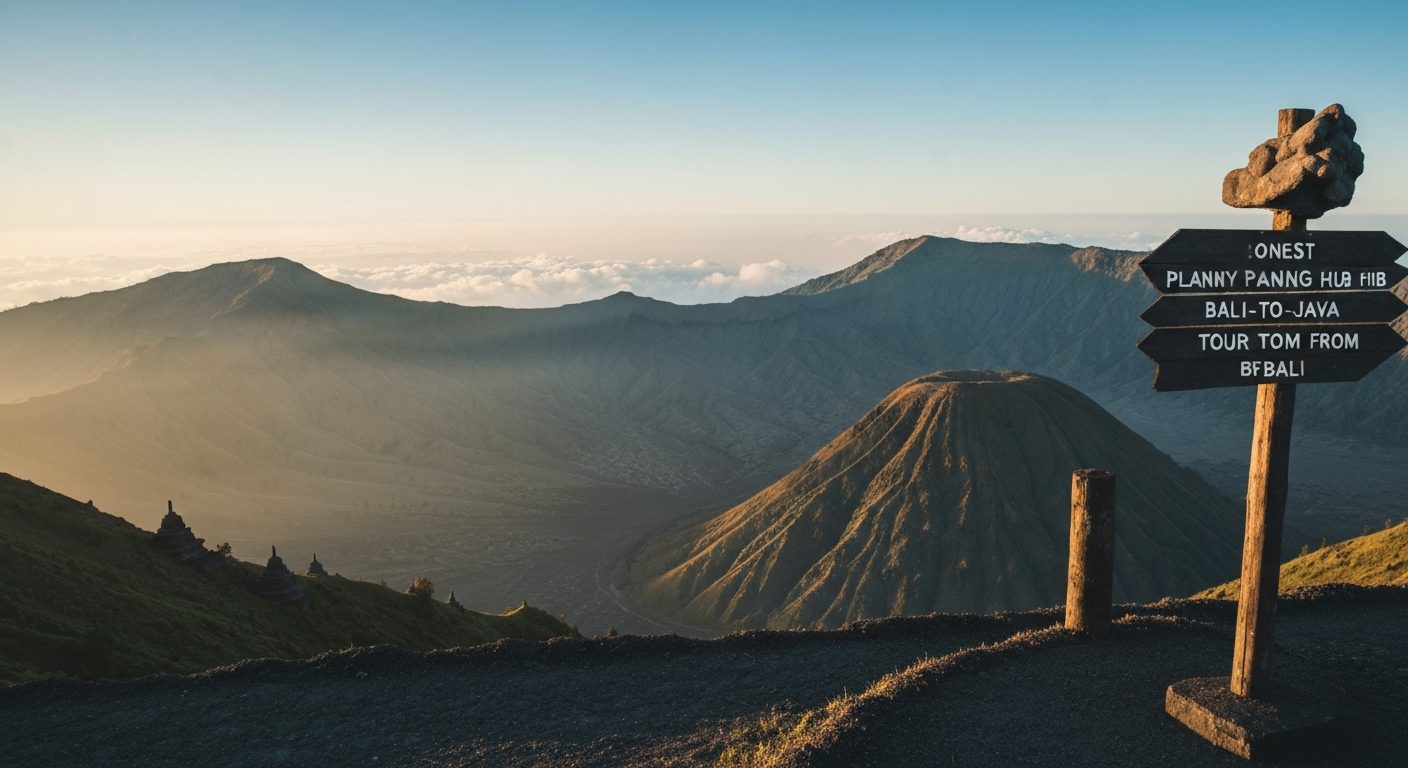
What do you need to pack for a Bromo Ijen tour from Bali? Getting ready for this journey means preparing for two distinct climates: the biting cold of pre-dawn volcanic summits and the humid tropical warmth of the lowlands in between. This comprehensive bali java tour packing checklist ensures you have everything required for a safe, comfortable, and memorable trip.
I’m Java Overland Tour Editorial Desk, your Trip Planning & Safety Researcher here at Java Overland Tour. I’ve run the Ketapang ferry route and the 2 AM Ijen hike dozens of times. My job is to give you honest information, not just advice, so you know exactly what to expect and what to bring. We operate this site as Bali Premium Trip, and our goal is to turn confusing logistics into clear private itineraries, linking you directly with our Bali reservations team and vetted licensed local operators. No hype, just facts.
The Two Climates: From Sub-Zero Peaks to Tropical Lowlands
The core challenge of packing for a Java overland tour is managing the drastic temperature shifts. You’ll experience near-freezing conditions at altitudes exceeding 2,300 meters (around 7,500 feet) before sunrise, then quickly descend into warm, humid tropical weather. Mount Bromo’s caldera rim sits at about 2,329 meters, while Ijen’s crater rim reaches approximately 2,386 meters. At these elevations, especially between 2:00 AM and 6:00 AM, temperatures can plummet to between 0°C and 10°C (32°F to 50°F). The rest of the day, as you travel between sites or relax in lower-elevation towns, expect average temperatures of 25°C to 30°C (77°F to 86°F). This guide helps you build a versatile packing list that works for both extremes.
Essential Packing Checklist: Your Core Gear
This is the non-negotiable list for any traveler on a Bromo Ijen tour from Bali. Prioritise these items.
Clothing Layers for Cold Weather
The “bromo ijen tour clothing layers cold weather” strategy is key. You’ll need to dress in layers you can easily add or remove.
- Thermal Base Layer: A long-sleeved thermal top and bottom are crucial. They wick moisture and keep your core warm.
- Mid-Layer (Fleece or Sweater): A warm fleece jacket or a thick sweater provides insulation. This layer traps heat.
- Outer Shell (Windproof & Waterproof Jacket): Essential for blocking the biting wind at the summits and protecting against light rain. Look for something that packs down small.
- Warm Trousers: Hiking pants or comfortable, thick trousers are better than jeans, which can get cold and heavy when wet.
- Warm Hat or Beanie: Most body heat escapes through your head. Cover it.
- Gloves: Thick, warm gloves are a must. Your fingers will get very cold waiting for sunrise or descending Ijen.
- Thick Socks: Wool or thermal socks keep your feet warm inside your sturdy shoes. Bring an extra pair.
Footwear: Sturdy Shoes are Non-Negotiable
Forget flip-flops or fashion sneakers for the hikes. The volcanic terrain demands proper footwear.
- Hiking Boots or Sturdy Trainers: Choose shoes with good ankle support and excellent grip. The trails at Bromo and Ijen can be uneven, sandy, rocky, and sometimes slippery. You’ll be walking on loose gravel, volcanic ash, and steep paths. Your shoes should be broken in and comfortable for several hours of walking.
- Sandals or Flip-Flops: Useful for relaxing at your accommodation or for short walks in warmer areas.
Headlamp or Torch
You will start your Bromo and Ijen treks in absolute darkness. A reliable light source is critical.
- Headlamp: This is superior to a torch as it keeps your hands free for balance on uneven terrain. Make sure to pack extra batteries or ensure it’s fully charged. You’ll be navigating dark trails, sometimes for hours.
Ijen Blue Fire Sulfur Safety: Gas Mask or N95
This is perhaps the most important safety item for the Ijen section of your trip. The “gas mask for ijen blue fire sulfur” isn’t a suggestion; it’s a necessity if you plan to descend towards the blue flames.
- Proper Gas Mask with Filter Cartridges: We strongly recommend a professional gas mask with activated carbon filters. These offer the best protection against sulfur dioxide (SO2) gas.
- N95/KN95 Mask (as a bare minimum): While not as effective as a full gas mask, a high-quality N95 or KN95 mask offers some limited protection against particulate matter and can slightly reduce direct inhalation of sulfur fumes. However, understand that N95 masks are designed for particulates, not gas. They will not fully protect you from sulfur dioxide gas exposure.
- Eye Protection: Goggles or sunglasses can help protect your eyes from irritation caused by sulfur particles and gas.
Important Safety Note: Sulfur dioxide gas is a respiratory irritant. Exposure can cause coughing, shortness of breath, and eye irritation. Prolonged or high-concentration exposure can be dangerous, especially for individuals with respiratory conditions like asthma. This information is for general safety awareness. Travelers with pre-existing health conditions should consult their doctor before engaging in high-altitude activities or areas with potential sulfur-gas exposure. Your licensed local guide will monitor gas conditions and advise on safe distances, but having your own protection is your responsibility.
Small Backpack
You’ll need a daypack to carry your essentials during the hikes.
- 15-25 Litre Daypack: Big enough for water, snacks, extra layers, camera, and personal items. Small enough not to be cumbersome. A rain cover for your backpack is also a good idea.
Reusable Water Bottle
Staying hydrated is crucial at altitude and in the tropical heat.
- 1-2 Litre Reusable Water Bottle: Reduce plastic waste and ensure you have enough water for your treks. Many accommodations offer water refills.
Personal First Aid Kit & Medications
Be prepared for minor scrapes or common travel ailments.
- Basic First Aid Kit: Band-aids, antiseptic wipes, pain relievers, anti-diarrhea medication, motion sickness pills (if needed for long drives).
- Personal Prescriptions: Bring any necessary prescription medications in their original packaging, along with a copy of your prescription.
Climate-Specific Add-Ons: Sun, Bugs, and Comfort
Once your core gear is sorted, consider these items for added comfort and protection across varied environments.
Java Tour Sun Exposure and Skin Protection
Even on cloudy days, the sun at altitude is intense. In the lowlands, tropical sun is strong. “Java tour sun exposure and skin protection” should be high on your list.
- High-SPF Sunscreen: Apply liberally, especially at Bromo and Ijen. The UV index is very high at altitude.
- Wide-Brimmed Hat or Cap: Protect your face and neck from direct sun.
- Sunglasses: Protect your eyes from UV rays and volcanic dust.
- Lightweight, Long-Sleeved Clothing: For warmer parts of the day, choose breathable fabrics that cover your arms and legs to prevent sunburn and offer some mosquito protection.
Java Tour Mosquito and Dengue Prevention
Mosquitoes are present in Bali and the Java lowlands. Take precautions.
- Insect Repellent with DEET or Picaridin: Essential for evenings and any time you are in greener, warmer areas.
- Lightweight Long-Sleeved Shirts and Trousers: Wear these in the evenings to minimise exposed skin, especially during peak mosquito activity (dawn and dusk).
Dengue Prevention Note: Dengue fever is a mosquito-borne illness present in tropical regions, including parts of Indonesia. While rare at high altitudes, it’s a consideration in the lowlands. The best prevention is avoiding mosquito bites. This is general safety information, not medical advice. Consult a healthcare professional for specific concerns or pre-travel advice.
Toiletries & Personal Items
Pack light, but don’t forget the essentials.
- Travel-Sized Toiletries: Shampoo, soap, toothbrush, toothpaste.
- Hand Sanitizer: Useful when facilities are limited.
- Wet Wipes: For quick clean-ups on the go.
- Small Quick-Dry Towel: Can be handy.
Power Bank & Adapters
Keep your devices charged throughout your journey.
- Portable Power Bank: Crucial for charging phones and cameras, especially since electrical outlets might be scarce during transit or at basic accommodations.
- Universal Travel Adapter: Indonesia uses Type C and Type F sockets (two round pins).
Documents, Money, and Communication
These practical items ensure smooth travel.
- Passport and Visa (if applicable): Always carry copies (digital and physical) separately from the originals.
- E-Tickets/Booking Confirmations: For flights, ferries, and accommodations.
- Travel Insurance Details: Print out your policy information.
- Local Currency (Indonesian Rupiah – IDR): While many places accept cards, cash is essential for smaller purchases, tips, and park entry fees (sometimes cash-only). ATMs are available in larger towns.
- Credit/Debit Cards: Inform your bank of your travel plans.
- Mobile Phone: With a local SIM card (readily available) or international roaming.
- Offline Maps: Download maps of the areas you’ll be visiting.
Here’s a quick reference for essential documents:
- Passport/Visa
- Original + digital/physical copies. Validity of 6+ months.
- Travel Insurance
- Policy details, emergency contact numbers.
- Tour Confirmation
- From Java Overland Tour / Bali Premium Trip reservations team.
- Flight/Ferry Tickets
- E-tickets, boarding passes.
- Cash (IDR)
- For small vendors, tips, specific park fees. Indicative daily expenses for incidentals and small purchases might be US$15-30 per person.
Photography Gear: Capturing the Magic
You’re heading to some of the most visually dramatic landscapes in Indonesia. It’s natural to want to capture them.
Bromo Sunrise Photography Gear 2026
For that iconic Bromo sunrise, specific gear makes a difference.
- Camera Body: A DSLR or mirrorless camera offers the best quality and control.
- Lenses:
- Wide-Angle Lens (e.g., 16-35mm): Ideal for sweeping landscape shots of the Bromo caldera and sunrise.
- Telephoto Lens (e.g., 70-200mm): Useful for compressing the landscape, capturing details of the volcanoes, or zoomed-in shots of the jeep convoy.
- Sturdy Tripod: Non-negotiable for long-exposure sunrise shots in low light. The ground can be uneven; a stable tripod prevents blurry images.
- Spare Batteries: Cold weather drains batteries faster. Bring at least two fully charged spares.
- Remote Shutter Release: Minimises camera shake for sharp long exposures.
- Lens Cloths: Volcanic dust gets everywhere. Keep your lenses clean.
- Camera Bag with Rain Cover: Protect your gear from dust, moisture, and potential light rain.
Best Photography Locations Bromo Ijen Tour from Bali
Knowing where to point your lens can enhance your shots.
- Mount Bromo:
- King Kong Hill or Penanjakan Viewpoints: Classic spots for panoramic sunrise views of Bromo, Batok, Semeru, and the Tengger caldera.
- Sea of Sand: Unique textures and shapes, especially with morning light or fog.
- Bromo Crater Rim: Dramatic views into the active crater.
- Pura Luhur Poten: The Hindu temple in the sand sea, offering cultural context.
- Ijen Crater:
- Crater Rim: Captures the turquoise acidic lake and the surrounding landscape.
- Blue Fire Location (if descending): Requires a fast lens and careful composition in very low light, respecting guide instructions and safety.
Drone Rules Bromo Tengger Semeru National Park
Flying drones in national parks requires adherence to specific regulations. The “drone rules bromo tengger semeru national park” are in place to protect wildlife, geological features, and ensure visitor safety.
- Permit Required: You generally need a specific permit from the national park authority to fly a drone within Bromo Tengger Semeru National Park. This is not typically included in standard tour packages and must be arranged well in advance by the individual.
- Restricted Areas: Certain zones, particularly around active craters and crowded viewpoints, are typically off-limits for drones.
- Respect Local Regulations: Always check the most current regulations with the park authority or your licensed local guide, as rules can change. Unauthorised drone use can result in fines or confiscation. Our local partners can advise on the process for obtaining permits, but the responsibility lies with the drone operator.
Bromo Crater Forbidden and Restricted Areas
Safety is paramount, especially around active volcanoes. Understand the “bromo crater forbidden and restricted areas.”
- Crater Rim Walkway: While you can walk around a section of the crater rim, there are clearly marked safety barriers and signs. Do not cross these.
- Descent into Crater: Descending into the Bromo crater itself is strictly forbidden. The gas emissions are dangerous and the ground unstable.
- Ijen Crater Descent: Similarly, descending into the Ijen crater to see the blue fire is permitted only with a licensed local guide, and conditions (wind direction, gas levels) must be favourable. Always follow your guide’s instructions. They are trained to assess the risks. Staying too long or too close to the sulfur gas is hazardous.
What Java Overland Tour Provides (And What You Still Need)
We, Java Overland Tour, operated by Bali Premium Trip, simplify your journey by handling the complex logistics. When you book directly with our Bali Premium Trip reservations team, you get transparent, published rates with no third-party markup.
We arrange:
- Private Transportation: From Bali to Java and between all destinations, including the ferry crossing. This involves comfortable vehicles and experienced drivers.
- Accommodation: Vetted hotels or guesthouses along your route.
- Licensed Local Guides: Expert local guides for your Bromo and Ijen treks. They know the terrain, the local culture, and, most importantly, the safety protocols.
- Park Permits and Entry Fees: We handle all the necessary permits and entry fees for Bromo Tengger Semeru National Park and Ijen Crater.
- Bromo Jeep Hire: The 4×4 jeep required for accessing Bromo’s viewpoints and the Sea of Sand.
What you still need to bring yourself:
- All items on this packing checklist (clothing, footwear, headlamp, gas mask, etc.).
- Personal spending money for souvenirs, extra snacks, and any personal incidentals.
- Travel insurance.
We arrange these third-party services like park jeeps, local guides, and permits via our trusted, licensed local partners. This ensures you receive authentic, high-quality service on the ground.
Ready to put this packing list to use and experience the wonders of Java? We’re here to help you plan your trip seamlessly. Plan your trip now, or reach out to our team via WhatsApp for personalised planning assistance.
Frequently Asked Questions
Do I need to bring my own gas mask for Ijen?
Yes, you absolutely should bring your own high-quality gas mask with activated carbon filters if you plan to descend into the Ijen crater area for the blue fire. While some local vendors might offer masks for rent, quality can vary, and having your own ensures proper fit and protection. An N95 mask is a bare minimum for particulate matter, but a full gas mask is recommended for sulfur dioxide gas.
What are the typical temperatures at Bromo and Ijen before sunrise?
Before sunrise at both Mount Bromo and Ijen Crater, temperatures can be surprisingly cold, often ranging from 0°C to 10°C (32°F to 50°F). Combined with wind chill at higher altitudes, it can feel even colder. Packing multiple warm layers, a hat, and gloves is essential.
Is it safe to descend into the Ijen crater to see the blue fire?
Descending into the Ijen crater to see the blue fire is possible but requires strict adherence to safety protocols and the guidance of your licensed local guide. Conditions, especially wind direction and sulfur gas levels, are constantly monitored. If gas levels are high, your guide will advise against descent. Safety is the priority; always follow your guide’s instructions.
What kind of shoes are best for the Bromo and Ijen treks?
Sturdy, closed-toe shoes with good grip are paramount. Hiking boots are ideal for ankle support and traction on uneven, often slippery or sandy volcanic terrain. If hiking boots are too much, well-broken-in athletic trainers with robust soles will suffice. Avoid open-toed shoes or shoes with smooth soles.
Can I fly my drone at Mount Bromo?
Flying a drone within Bromo Tengger Semeru National Park typically requires a special permit from the national park authorities, which must be arranged by the individual well in advance. There are also restricted areas, particularly around active craters and crowded viewpoints. Always check the current regulations with park officials or your local guide, as unauthorised drone use can lead to penalties.
Final Thoughts & Planning Your Trip
Packing for a Bali-to-Java overland journey means being smart about your gear. It’s about being prepared for cold peaks and warm lowlands, all within one seamless itinerary. This checklist gives you the practical details. No surprises, just preparedness.
Our Bali Premium Trip reservations team is ready to help you build a private tour that fits your needs. We take care of all the complex arrangements, working with licensed local partners to ensure a safe and memorable experience. You focus on the adventure; we handle the rest.
Don’t let logistics hold you back. Let’s make your Bali-Java overland tour a reality. Plan your trip with us today, or send a message to our team via WhatsApp for a quick chat about your travel ideas.