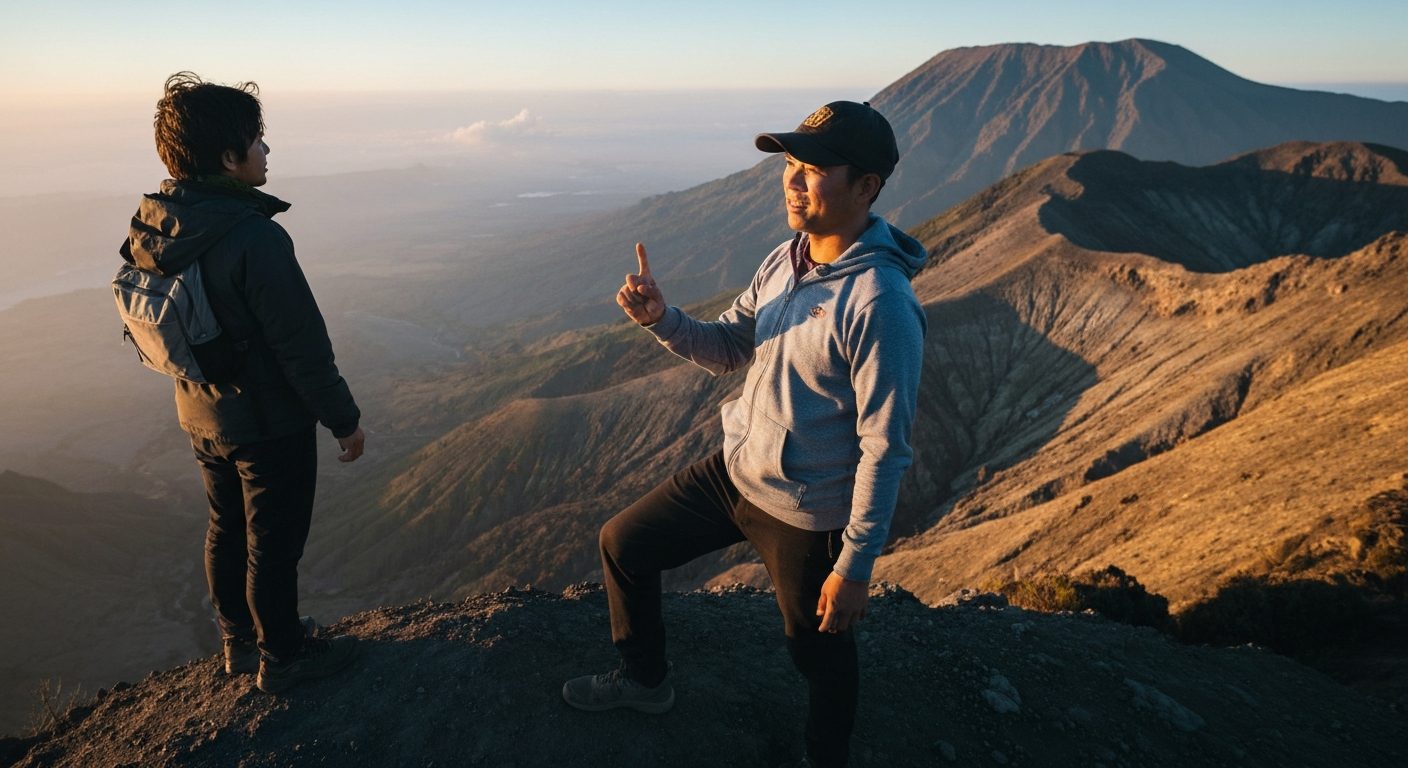
The question “how hard is the hike at Bromo and Ijen?” is one we hear often, and it’s a smart one to ask before you commit. The straightforward answer is that while both offer spectacular rewards, their physical demands are quite different: Mount Bromo involves a relatively easy walk after a jeep ride, making it accessible to most, whereas Kawah Ijen presents a significantly more challenging, steeper hike with unique safety considerations due to sulfuric gas.
This guide will break down the specific challenges of each, help you assess your bali java tour fitness level required, and provide practical advice so you arrive prepared. We believe in clear, honest information, not surprises.
Mount Bromo: More of a Walk, Less of a Hike (But Still an Early Start)
For many, the mount bromo sunrise jeep tour is the highlight of their East Java journey, and physically, it’s generally considered the easier of the two main volcano experiences. Most of the climbing is done by vehicle.
The Jeep Ride to Puncak Penanjakan Viewpoint
Your Bromo adventure typically begins in the dead of night, usually between 2:00 AM and 3:00 AM, with a jeep picking you up from your accommodation in Cemoro Lawang or nearby areas. This 4×4 journey is an experience in itself, navigating rough, unpaved roads and the vast “Sea of Sand” (Laut Pasir). The ride can be bumpy and cold, so layers are essential.
The jeep will take you to a designated viewpoint, most commonly Puncak Penanjakan (often referred to as Penanjakan 1), or sometimes King Kong Hill or Seruni Point, depending on crowds and road conditions. From the jeep drop-off point, it’s a short walk – perhaps 10 to 20 minutes – up a paved path to the various viewing platforms. This walk is generally easy, with a gradual incline, and involves no technical climbing. You’ll be walking in the dark, guided by your flashlight and the stream of other visitors. The main challenge here is the cold morning air and the early hour.
The Walk to the Bromo Crater Rim
After sunrise, the jeep will descend and drive across the Sea of Sand to the base of Mount Bromo itself. From the jeep parking area, the path to the bromo crater rim is a mix of sandy flat terrain and a final ascent of concrete steps.
- Sea of Sand Walk: This flat, sandy stretch across the volcanic caldera is about 1.5 to 2 kilometers long. It feels longer in the cold, dry air. You’ll be walking through soft volcanic ash, which can be tiring on the legs, similar to walking on a beach. Some visitors opt for a horseback ride across this section (an additional cost, paid directly to local vendors), which can be a fun experience and saves your energy for the steps.
- The Steps: The final ascent to the crater rim is via a set of concrete steps. There are approximately 250-260 steps. While not overly steep, climbing 250 steps at an altitude of around 2,329 meters (7,641 feet) can leave you breathless if you’re not accustomed to it. Take your time, use the railings, and pause to catch your breath.
Bromo Crater Rim Hiking Danger Conditions
Once you reach the top, you’ll find yourself on a narrow, exposed ridge overlooking the active crater. The bromo crater rim hiking danger conditions primarily revolve around the sulfuric fumes emanating from the crater and the narrowness of the path.
- Sulfuric Fumes: The crater emits a continuous plume of white smoke, which is sulfur dioxide. While generally not as intense as Ijen, it can still irritate your throat and eyes, especially on windy days when the fumes are blown directly onto the viewing path. A simple face mask or scarf can offer some protection, but it’s usually not as critical as at Ijen.
- Narrow Path: The crater rim path is relatively narrow, with no safety barriers in many sections. It’s crucial to stay on the designated path, avoid getting too close to the edge, and be mindful of other visitors, especially if it’s crowded. Strong gusts of wind can also be a factor.
Overall, the bromo sunrise hike difficulty age limits are quite flexible. Anyone with a basic level of fitness and mobility, including children and older travelers, can usually manage Bromo. The main challenges are the early start, the cold, and the 250 steps.
Kawah Ijen: A True Hike with Significant Challenges
The kawah ijen crater tour difficulty level is significantly higher than Bromo. This is a proper mountain hike, done mostly in the dark, with a steep incline, an uneven path, and the unique hazard of sulfuric gas at the crater floor.
The Early Start and Initial Ascent
Like Bromo, the Ijen experience starts very early, typically around 1:00 AM to 2:00 AM, to allow time to reach the crater floor for the famous “blue fire.” Your driver will take you to the Paltuding ranger post, which is the starting point for the hike.
From Paltuding (at an elevation of about 1,850 meters or 6,070 feet), the trail ascends to the crater rim (around 2,300 meters or 7,545 feet). This main ascent is approximately 3 kilometers (1.8 miles) long and takes most people between 1.5 to 2.5 hours, depending on fitness.
- Steepness: The first kilometer is particularly steep, with an average gradient of about 25-30%. It’s a relentless uphill climb on a well-defined but uneven path of loose sand and small rocks. There are no steps; it’s a continuous slope.
- Darkness: The entire ascent is done in complete darkness, with only the light of your headlamp or flashlight. This makes footing trickier and adds to the challenge.
- Altitude: While not extremely high, the altitude combined with the steepness can cause breathlessness and fatigue for those not acclimatized or with lower fitness levels.
Descent into the Crater (for Blue Fire)
This is where the real challenge and unique hazards of Ijen come into play. To see the “blue fire,” you must descend into the crater itself from the rim. This descent is about 800 meters (0.5 miles) down a very steep, rocky, and often slippery path.
- Terrain: The path is not maintained. It’s loose scree, volcanic rocks, and uneven ground. You’ll be navigating large boulders, loose gravel, and steep drops. It requires careful foot placement, good balance, and often the use of your hands.
- Darkness & Gas: The descent is still in the dark, and as you get closer to the crater floor, the sulfuric gas becomes more prevalent. This is where a proper gas mask (provided by Java Overland Tour / Bali Premium Trip with your local guide) is absolutely essential. The gas can cause severe irritation to the eyes, nose, throat, and lungs, leading to coughing fits and temporary blindness. It’s not a place to take risks with air quality.
- Blue Fire Viewing Area: Once at the bottom, you’ll be close to the active sulfur mining area, witnessing the incredible blue flames. This area is often crowded, smoky, and requires extreme caution.
Ascent Out of the Crater and Back to Paltuding
After viewing the blue fire and sunrise over the turquoise acid lake, you’ll retrace your steps:
- Ascent out of the crater: The same steep, rocky 800-meter climb back to the crater rim. This is often done as the sun rises, offering views, but it’s still physically demanding.
- Descent from crater rim to Paltuding: The 3-kilometer downhill path back to the starting point. While easier than going up, the loose terrain can be hard on the knees and requires concentration to avoid slips.
Is Kawah Ijen Hike Safe for Beginners?
The short answer is yes, with proper preparation, a good guide, and a realistic assessment of your fitness. It is not an easy hike for beginners, but it is achievable. Our local guides, arranged through vetted licensed partners, are experienced and will set a pace that suits your group. The main risks for beginners are:
- Lack of fitness: Underestimating the steepness and duration.
- Inadequate gear: Especially a poor-quality gas mask, inappropriate footwear, or insufficient warm clothing.
- Disregarding safety instructions: Particularly regarding the gas and staying on the path.
Anyone contemplating Kawah Ijen needs to be prepared for a physically demanding experience in challenging conditions.
Bali Java Tour Fitness Level Required: Benchmarks for Bromo & Ijen
To help you assess your java overland tour physical fitness level required, here are some benchmarks:
For Mount Bromo (Easier)
- Basic fitness: If you can walk for an hour at a moderate pace on uneven terrain without significant discomfort, you should be fine for Bromo.
- Stair climbing: You should be able to climb 250 steps without needing to stop more than a few times for breath.
- No pre-existing conditions: Individuals with severe heart or respiratory conditions should consult a doctor, though Bromo is generally less strenuous.
For Kawah Ijen (Harder)
- Moderate to good fitness: You should be able to hike uphill for 2-3 hours straight, covering 3-4 kilometers with significant elevation gain (around 500-600 meters). Think of it as being able to comfortably complete a 10km run or a strenuous gym session.
- Leg strength and endurance: Your legs, especially your quadriceps and glutes, will work hard on both the uphill and downhill sections.
- Balance and agility: The descent into the crater requires good balance to navigate loose, rocky terrain in the dark.
- No significant heart, respiratory, or mobility issues: This is crucial. If you have any of these conditions, it is imperative to consult your doctor before considering Ijen. The combination of altitude, physical exertion, and sulfuric gas can pose serious risks.
- Mental fortitude: The early start, cold, darkness, and gas can be mentally taxing. A positive attitude and determination go a long way.
- Bromo Difficulty:
- Easy to Moderate (due to steps and altitude). Mostly walking after a jeep ride.
- Ijen Difficulty:
- Moderate to Difficult. A true mountain hike with steep climbs and descents, challenging terrain, and gas hazards.
- Bromo Elevation (Crater Rim):
- ~2,329 meters (7,641 feet)
- Ijen Elevation (Crater Rim):
- ~2,300 meters (7,545 feet)
- Ijen Elevation (Crater Floor):
- ~2,000 meters (6,560 feet)
- Bromo Hike Duration (from jeep):
- ~30-45 minutes each way (including steps)
- Ijen Hike Duration (Paltuding to Crater Rim):
- ~1.5 – 2.5 hours uphill, ~1-1.5 hours downhill
- Ijen Hike Duration (Crater Descent/Ascent):
- ~30-45 minutes each way (very steep & rocky)
- Key Hazard Bromo:
- Sulfuric fumes (mild), narrow crater rim path.
- Key Hazard Ijen:
- Concentrated sulfuric gas (especially in crater), very steep and loose terrain, darkness.
Bromo Ijen Tour with Kids Age Limit & Older Travelers
When planning a bromo ijen tour with kids age limit becomes a critical consideration.
Children
- Mount Bromo: Generally suitable for children aged 5-6 and older, provided they are active and can manage the 250 steps. Younger children might struggle with the early start, cold, and the walk across the Sea of Sand, but carrying them on horseback is an option.
- Kawah Ijen: We strongly advise against bringing children under 10-12 years old to Ijen, especially for the crater descent to see the blue fire. The sulfuric gas, even with a mask, can be overwhelming for young lungs and eyes. The steep, dark, and uneven terrain also poses significant fall risks for children. If you travel with younger children, we can arrange for one parent to stay at the crater rim (or Paltuding) with the child while the other descends with a guide. This is a serious safety concern that we prioritize.
Older Travelers
- Mount Bromo: Many older travelers (60s and 70s) successfully visit Bromo. The main considerations are mobility for the 250 steps and tolerance for cold temperatures and the early start. Taking it slow and having a guide to assist is beneficial.
- Kawah Ijen: This is more challenging for older travelers. The steepness, uneven terrain, and gas exposure require good physical condition, strong knees, and no pre-existing heart or respiratory conditions. If you are an older traveler considering Ijen, we recommend a thorough medical check-up and honest self-assessment of your fitness. A private tour allows for a slower, more flexible pace, which can be advantageous.
Remember, this is general fitness/safety information. Anyone with heart, respiratory, or mobility conditions should consult a doctor before attempting Ijen.
Essential Gear and Preparation for a Safer Hike
Regardless of your fitness, proper preparation and gear are non-negotiable for both Bromo and Ijen.
Clothing
- Layers: Temperatures at Bromo and Ijen before sunrise can drop to near freezing (around 5-10°C or 40-50°F), sometimes lower. Wear multiple layers: a base layer, a fleece or sweater, and a windproof/waterproof jacket. You can shed layers as the sun rises.
- Long pants: Jeans or trekking pants are suitable.
- Hat, gloves, scarf: Essential for warmth.
- Footwear:
- Bromo: Sturdy walking shoes or sneakers with good grip are generally sufficient.
- Ijen: Trekking boots are highly recommended. They provide ankle support, better grip on loose terrain, and protect your feet. Avoid open-toed shoes or flimsy sneakers.
Other Essentials
- Headlamp or Flashlight: Absolutely critical for both Bromo (to the viewpoint) and Ijen (the entire hike). Your local guide will also carry one.
- Gas Mask (Ijen only): A proper, industrial-grade gas mask with activated carbon filters is mandatory for the Ijen crater descent. Your Bali Premium Trip local guide will provide these, and ensure they fit correctly. Do not rely on simple surgical masks or bandanas.
- Small Backpack: To carry water, snacks, extra layers, and your camera.
- Water: Stay hydrated, especially during the Ijen hike.
- Snacks: Energy bars or fruit are good for quick boosts.
- Personal First-Aid Kit: Basic items like band-aids, pain relievers, and any personal medications.
- Sunscreen and Sunglasses: For after sunrise.
- Camera: To capture the incredible views!
Your Guide and Our Support
For both Bromo and Ijen, having a knowledgeable local guide is crucial. Our vetted licensed local operators provide experienced guides who know the terrain, understand the conditions, and prioritize your safety. They will:
- Lead the way, especially in the dark.
- Pace the hike according to your group’s fitness.
- Provide vital information about safety and conditions.
- Assist in case of any difficulties.
- Ensure you have and correctly use the necessary safety equipment (like gas masks for Ijen).
We arrange these services for you, connecting you directly with the best local expertise.
Ready to Plan Your Adventure? Contact Our Team!
What to Expect from Java Overland Tour / Bali Premium Trip
At Java Overland Tour, operated by Bali Premium Trip, our goal is to turn confusing logistics into clear private itineraries. When you book a multi-destination circuit with us—Bromo, Ijen, Borobudur, and beyond—you’re booking directly with our own Bali Premium Trip reservations team. This means transparent, published rates with no third-party markup.
We arrange (not own) third-party services such as park jeeps, local guides, and permits via our vetted licensed local partners. This ensures you get reliable service from experienced local providers who know the terrain and culture best. An indicative price range for a private 3-day Bromo-Ijen-Borobudur tour from Bali, per person, might be US$600-1200, last verified June 2026, though prices vary significantly by season, accommodation choices, and inclusions. We’ll provide a detailed breakdown when you reach out.
We pride ourselves on providing honest, practical guidance. We won’t sugarcoat the challenges of Ijen, but we will equip you with the information and support needed to undertake it safely and enjoyably. Our team can help you arrange a paced private itinerary that considers your fitness level and preferences, allowing you to choose your accommodation and tailor the experience.
Frequently Asked Questions
Is the Bromo Ijen tour worth it if I’m not very fit?
For Mount Bromo, yes, it’s generally manageable for most people with basic fitness, as the jeep does most of the work. The 250 steps to the crater rim are the main physical challenge. Kawah Ijen, however, requires a moderate to good fitness level. If you’re not very fit, we recommend focusing on Bromo, or discussing a highly customized, very slow-paced private Ijen option with our team, ensuring you understand the demands.
Do I need a guide for Bromo or Ijen?
For Bromo, a local guide is highly recommended, especially for dark early morning, ensuring safety on the crater rim, and understanding the local culture. For Ijen, a guide is absolutely essential, particularly for descending into the crater for the blue fire. They provide crucial safety equipment (gas masks), guide you through hazardous terrain in the dark, and monitor gas conditions. Our tours always include experienced local guides through our vetted partners.
What if the gas at Ijen is too strong for me?
Your local guide will monitor gas conditions at Kawah Ijen. If the gas is too strong or shifts unexpectedly, they will instruct you to put on your mask, or in extreme cases, advise against descending further into the crater or to leave the area. Safety is the top priority. It’s important to follow your guide’s instructions at all times.
Can I do just Bromo or just Ijen?
Yes, while many travelers combine them, it’s absolutely possible to do just Mount Bromo or just Kawah Ijen, especially if time or fitness is a concern. Our Bali Premium Trip reservations team can help you tailor an itinerary that focuses on your preferences. We can also arrange a private tour that allows you to choose which experiences you want to include.
What’s the best time of year to visit regarding hike difficulty?
The dry season (roughly May to October) is generally considered the best time to visit Bromo and Ijen. During this period, trails are drier and less slippery, and the weather is more stable, leading to clearer views and fewer disruptions. The wet season (November to April) can bring rain, making trails muddy and potentially increasing the difficulty and reducing visibility. However, even in the dry season, weather can be unpredictable, so come prepared.
Ready to discuss your ideal East Java adventure? Plan Your Trip with Our Bali Premium Trip Team. We’re also available for quick questions and itinerary planning via WhatsApp, offering direct, personalized support.