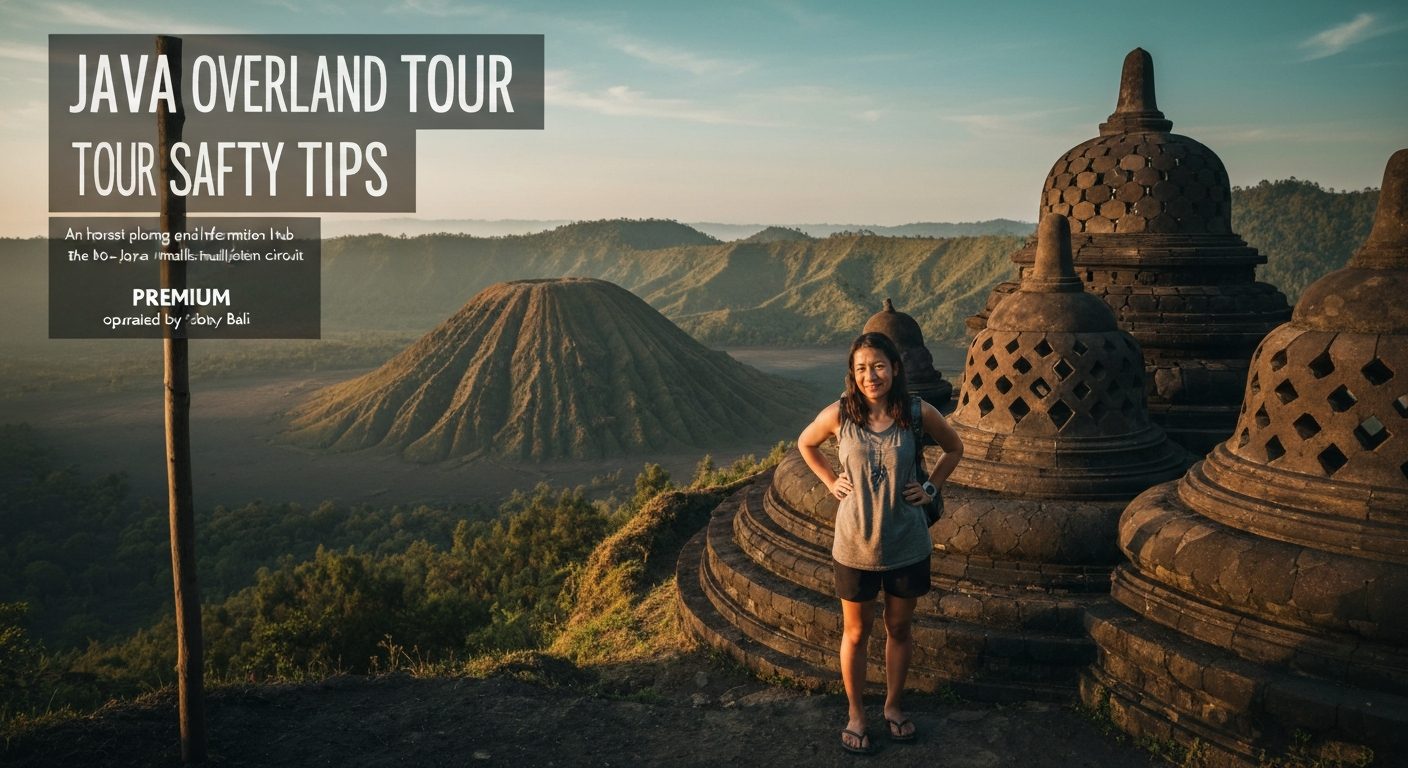
Understanding java overland tour safety tips is key to a smooth and enjoyable journey across East Java and Yogyakarta. This guide offers practical, ground-level advice for travelers planning a Bali-to-Java multi-destination circuit, covering everything from volcanic treks to food hygiene, ensuring you arrive prepared rather than surprised.
Volcanic Landscapes: Bromo & Ijen Safety
Venturing into East Java’s iconic volcanic regions, Bromo and Ijen, presents unique but manageable safety considerations. These aren’t just scenic spots; they are active geological formations with specific environmental factors to consider.
Altitude Sickness: Bromo and Ijen
Both Mount Bromo and Ijen Crater sit at considerable elevations, which can affect some travelers. The Bromo Tengger Semeru National Park area, where you view Bromo, is typically around 2,329 meters (7,641 feet) above sea level. Ijen Crater’s rim is at approximately 2,386 meters (7,828 feet), with the hike starting lower and ascending steadily.
- Symptoms: Mild altitude sickness (Acute Mountain Sickness or AMS) can manifest as headaches, nausea, dizziness, fatigue, and shortness of breath. These usually appear within 6-12 hours of arrival at altitude.
- Prevention: The best approach is a slow ascent, allowing your body to acclimatize. Our Java overland tours typically manage this by incorporating overnight stays in areas like Cemoro Lawang or Sembalun (for Rinjani, though not directly on this circuit, the principle applies to Ijen base camps), which are at elevation but allow for rest before early morning hikes. Stay well-hydrated, avoid alcohol and heavy meals the night before, and get adequate rest.
- What Bali Premium Trip Handles: We arrange your accommodation at suitable elevations to facilitate acclimatization and ensure comfortable transfers. Our vetted local guides are aware of altitude considerations and can assist if you feel unwell.
- What You Arrange: Consult your doctor about any pre-existing conditions and potential prophylactic medications if you are particularly susceptible to altitude sickness.
Ijen Crater: Sulfur Gas and Mask Safety
The Ijen Crater is famous for its mesmerizing blue flames and the vibrant turquoise acid lake. However, this beauty comes with a significant health consideration: sulfur dioxide (SO2) gas.
- Risk: The gas is released naturally from the volcano, especially concentrated at the base of the crater where the blue flames are visible. Exposure can cause respiratory irritation, coughing, eye irritation, and headaches. In higher concentrations, it can be dangerous.
- Safety Measures: A proper gas mask is non-negotiable for anyone descending into the crater or getting close to the blue flame area. Simple surgical masks or cloth masks offer no protection against sulfur gas.
- Mask Provision: Bali Premium Trip, through our licensed local partners, ensures that every traveler on an Ijen tour receives a well-maintained, appropriate gas mask (typically an industrial-grade respirator with active carbon filters) before beginning the descent into the crater. Our guides provide instructions on how to wear it correctly and when to use it.
- Important Note: Even with a mask, prolonged exposure should be avoided. Follow your guide’s instructions closely, especially regarding wind direction and safe viewing distances. If you have respiratory conditions like asthma, consult your doctor before planning an Ijen visit.
- The Hike: The trek to Ijen Crater rim is roughly 3 kilometers one-way, taking about 1.5-2 hours, with a descent into the crater adding another 30-45 minutes each way. This is a moderately challenging hike over uneven terrain.
Physical Demands & Preparation
Both Bromo and Ijen treks require a reasonable level of physical fitness.
- Bromo: While the jeep takes you to a viewpoint, there’s still a walk to the caldera rim (around 1.5 km return, with some stairs) from the parking area.
- Ijen: The Ijen hike is steeper and more demanding, especially the descent into the crater, which can be slippery and dark.
- Preparation: Regular walking or light cardio in the weeks leading up to your trip will make these experiences much more enjoyable. Wear sturdy, comfortable hiking shoes with good grip.
- What We Handle: We provide experienced local guides who are familiar with the terrain and can assist you during the trek. Our transport arrangements are designed for comfort and safety to and from the trailheads.
- What You Arrange: Bring appropriate footwear, layered clothing (it gets cold before dawn, then warm up), a small backpack, and any personal medication.
Food & Water Safety: Staying Healthy on the Road
Traveler’s diarrhea is a common concern in any new destination. In Indonesia, practicing good food and water hygiene is crucial for a healthy java tour.
Traveler’s Diarrhea Prevention
The most common cause of travel-related illness is contaminated food or water. Taking simple precautions can significantly reduce your risk.
- Wash Your Hands: Frequently and thoroughly, especially before eating and after using the restroom. Hand sanitizer is a good backup when soap and water aren’t available.
- Be Mindful of What You Eat:
- Hot & Cooked: Stick to food that is freshly cooked and served hot.
- Peel It, Boil It, Cook It, or Forget It: This adage holds true. Avoid raw or undercooked meats, unpasteurized dairy, and unpeeled fruits and vegetables unless you’re sure they’ve been washed with safe water.
- Street Food: While tempting and delicious, exercise caution. Choose vendors with high turnover, where food is cooked to order in front of you, and seems clean. Observe locals – if a place is popular, it’s usually a good sign.
- What Bali Premium Trip Handles: We arrange meals at reputable restaurants and accommodations known for their hygiene standards. Our guides can recommend safe eating options at various stops.
- What You Arrange: Carry a small supply of over-the-counter anti-diarrhea medication and oral rehydration salts (ORS) for emergencies.
Safe Eating Practices
- Buffets: Be wary of buffets where food has been sitting out for extended periods at room temperature.
- Salads & Fruit: Avoid salads unless you can confirm the vegetables have been washed with purified water. Stick to fruits you can peel yourself, like bananas or papayas.
- Ice: Generally, ice in drinks at established hotels and restaurants is made from purified water. If in doubt at smaller establishments, ask for drinks without ice or stick to bottled beverages.
Hydration: Bottled Water & Reusable Bottles
Staying hydrated is essential, especially in the tropical climate of Java.
- Bottled Water: Always drink bottled water with an unbroken seal. It’s widely available and inexpensive.
- Reusable Bottles: Consider bringing a reusable water bottle and a portable water filter (like a Lifestraw or Steripen) if you want to reduce plastic waste and have a backup for purifying tap water. While tap water is generally not safe to drink directly, many hotels and guesthouses offer water dispensers for refilling.
- What We Handle: Our tour vehicles are stocked with complimentary bottled water to keep you hydrated during transfers.
- What You Arrange: Ensure you have enough water for hikes and activities. Consider a reusable bottle for environmental reasons.
Mosquito-Borne Illnesses: Dengue & Malaria Prevention
Mosquitoes are prevalent in tropical regions, and with them comes the risk of mosquito-borne diseases. Java tour mosquito dengue prevention is a primary concern, as is general awareness of malaria.
Dengue Fever: Risk Zones & Prevention
Dengue fever is endemic in Indonesia, including Java. It’s transmitted by the Aedes aegypti mosquito, which is active during the day, particularly around dawn and dusk.
- Symptoms: High fever, severe headache, muscle and joint pains, and a rash.
- Prevention:
- Repellent: Use insect repellent containing DEET (30-50%), picaridin, or oil of lemon eucalyptus. Apply it generously, especially during daylight hours.
- Clothing: Wear long-sleeved shirts and long pants, particularly in the morning and evening, in areas with high mosquito activity.
- Accommodation: Choose accommodations with air conditioning or mosquito nets over beds. Ensure windows and doors have screens and keep them closed.
- Risk Areas: Dengue can occur in both urban and rural areas across Java.
- What Bali Premium Trip Handles: We select accommodations that typically offer air conditioning or mosquito nets where necessary. Our guides are knowledgeable about local conditions and can advise on areas requiring extra vigilance.
- What You Arrange: Pack effective insect repellent and appropriate clothing. Consider treating your clothing with permethrin for added protection.
Malaria: Lower Risk, but Awareness
While Bali and most of Java (especially popular tourist areas like Yogyakarta, Borobudur, Bromo, and Ijen) are generally considered low-risk for malaria, it’s not entirely absent, particularly in remote eastern parts of Indonesia.
- Consult Your Doctor: Before your trip, consult a licensed travel-medicine clinic or your doctor regarding the latest recommendations for bali java overland tour vaccinations needed and malaria prophylaxis. They can assess your individual risk based on your itinerary and medical history.
- Symptoms: Fever, chills, headache, and muscle aches.
- Prevention: The same mosquito bite prevention strategies for dengue (repellent, protective clothing) are effective against malaria-carrying mosquitoes, which are typically active from dusk till dawn.
Personal Protection Measures
- Always Carry Repellent: Keep a small bottle of repellent with you at all times.
- Check Your Room: Upon arrival, check your room for mosquitoes and ensure nets are intact.
- Be Aware of Standing Water: Mosquitoes breed in stagnant water. Avoid areas with obvious standing water if possible.
Seismic Activity: Earthquakes & Volcanic Awareness
Indonesia sits on the “Pacific Ring of Fire,” making it one of the most seismically active regions globally. Understanding yogyakarta earthquake travel safety and general volcanic awareness is part of preparing for travel in this dynamic landscape.
Yogyakarta & East Java: A Seismic Zone
The entire region, from Yogyakarta through East Java, experiences frequent seismic activity. Most earthquakes are minor and go unnoticed, but stronger ones do occur.
- Historical Context: Yogyakarta, for instance, experienced a significant earthquake in 2006. While rare, it’s important to be aware.
- Preparedness:
- “Drop, Cover, Hold On”: Learn the basic earthquake safety procedure. If an earthquake occurs, drop to the ground, take cover under a sturdy table or desk, and hold on until the shaking stops.
- Know Your Exits: In hotels, locate emergency exits and stairwells (avoid elevators during an earthquake).
- Stay Calm: Panic can be more dangerous than the earthquake itself.
- What Bali Premium Trip Handles: We partner with accommodations that adhere to local safety standards and construction codes. Our local guides are familiar with emergency procedures in their respective areas.
- What You Arrange: Familiarize yourself with your accommodation’s safety information upon arrival.
Volcanic Activity: Monitoring & Readiness
Indonesia has numerous active volcanoes, including Mount Bromo and Ijen. These are constantly monitored by the Indonesian Center for Volcanology and Geological Hazard Mitigation (PVMBG).
- Alert Levels: Volcanoes have alert levels. At low levels (normal or Waspada/Alert II), visits are generally safe with standard precautions. Higher levels may restrict access.
- Evacuation Plans: In rare instances of increased activity, local authorities have established evacuation plans.
- Follow Guidance: Always follow the instructions of local authorities and your guides regarding volcanic activity. Never ignore warnings or attempt to enter restricted zones.
- What Bali Premium Trip Handles: We closely monitor official geological reports and local conditions. If a volcanic alert level impacts our tour routes, we will communicate changes promptly and arrange alternative itineraries or refunds as per our terms. We only operate tours to volcanoes when it is deemed safe by local authorities.
- What You Arrange: Stay informed, but rely on official sources. Avoid speculating or spreading rumors.
What to Do in an Earthquake
- Indoors: Drop, Cover, Hold On. Stay away from windows, heavy furniture, and objects that could fall.
- Outdoors: Move to an open area away from buildings, power lines, and trees.
- In a Vehicle: Pull over to a clear spot, stop, and stay in the vehicle until the shaking stops.
Travel Insurance & Medical Evacuation
This isn’t just a recommendation; it’s a non-negotiable part of responsible travel, especially for a multi-destination trip involving physical activities. java overland tour travel insurance medical evacuation is a critical investment.
Why Comprehensive Insurance is Essential
No matter how well you plan, unexpected events can happen: illness, injury, lost luggage, or trip cancellations. Comprehensive travel insurance provides a financial safety net.
- Coverage: Look for policies that cover:
- Medical emergencies and hospital stays.
- Emergency medical evacuation (crucial for remote areas).
- Trip cancellation or interruption.
- Lost or stolen luggage.
- Personal liability.
- Specificity: Ensure your policy covers activities like hiking, especially to volcanic craters. Some standard policies exclude “adventure sports.”
- What Bali Premium Trip Handles: We ensure all our operations comply with local safety regulations. However, we cannot provide personal travel insurance.
- What You Arrange: Purchase comprehensive travel insurance before your departure. Carefully read the policy details to understand what is and isn’t covered.
Medical Evacuation: A Critical Consideration
In remote areas of East Java, access to high-quality medical facilities can be limited. If a serious injury or illness occurs, emergency medical evacuation to a better-equipped hospital (e.g., in Surabaya, Bali, or even Singapore) might be necessary. This can be extraordinarily expensive without insurance.
- Cost: Medical evacuation can cost tens of thousands of dollars.
- Policy Review: Confirm your chosen policy includes robust medical evacuation coverage, specifying the maximum benefit and geographic scope.
What Your Policy Should Cover
Here’s a quick checklist for your java overland tour travel insurance:
- Medical Expenses
- Coverage for doctor visits, hospital stays, medication, and emergency dental treatment. Look for high limits.
- Emergency Medical Evacuation/Repatriation
- Transportation to the nearest appropriate medical facility or back home. This is paramount.
- Trip Cancellation/Interruption
- Reimbursement for non-refundable expenses if your trip is cancelled or cut short due to covered reasons (e.g., illness, natural disaster).
- Baggage Loss/Delay
- Compensation for lost, stolen, or delayed luggage.
- Personal Liability
- Coverage if you accidentally cause injury or damage to property.
- Adventure Activities
- Crucially, ensure hiking, trekking, and any other activities planned for Bromo/Ijen are covered, as some policies exclude these.
YMYL Guardrail: This is general travel insurance information, not licensed advice. Always consult a licensed insurer or financial advisor for specific policy decisions based on your individual needs and circumstances.
Rainy Season Weather Conditions
Understanding java overland tour rainy season weather conditions is essential for planning, especially if your trip falls between November and April.
Understanding the Seasons
Indonesia has two main seasons:
- Dry Season (May to October): Generally sunny and less humid, with comfortable temperatures. This is peak tourist season.
- Rainy Season (November to April): Characterized by higher humidity and more frequent rainfall. Rains can be heavy but often occur in short bursts, typically in the afternoon, leaving mornings clear.
Impact on Travel: Roads, Hikes, Visibility
- Roads: Heavy rains can sometimes cause localized flooding or make unpaved roads (like some jeep tracks to Bromo viewpoints) more challenging to navigate. Landslides are rare but possible in mountainous areas.
- Hikes: Trails, especially at Ijen, can become slippery and muddy during or after rain. Visibility at volcanic viewpoints can be reduced by clouds and fog.
- Waterfalls: Waterfalls like Tumpak Sewu are magnificent during the rainy season due to higher water volume, but the paths can be very wet and slippery.
- What Bali Premium Trip Handles: Our drivers are experienced in navigating various road conditions. We monitor weather forecasts and adjust itineraries for safety where necessary, always prioritizing traveler well-being. Our guides are adept at assessing trail conditions.
- What You Arrange: Pack rain gear (lightweight rain jacket, waterproof backpack cover), waterproof shoes, and quick-drying clothing if traveling during the rainy season. Be flexible with your plans; sometimes, waiting out a shower can lead to clear skies.
Preparing for Rain
- Layer Up: Dress in layers. Even on rainy days, it can still be warm and humid.
- Protect Electronics: Bring waterproof bags or covers for cameras, phones, and other electronics.
- Patience: Embrace the weather. A misty Bromo or a rain-fed Tumpak Sewu offers a different, often dramatic, beauty.
Single Traveler Safety
Is the java overland tour safe for solo explorers? Generally, yes, but taking extra precautions is always wise for java tour single traveler safety.
General Safety Tips for Solo Explorers
- Stay Connected: Share your itinerary with friends or family back home. Check in regularly.
- Be Aware of Your Surroundings: Pay attention to people and situations around you, especially in crowded areas or at night.
- Trust Your Gut: If a situation or person feels off, politely remove yourself.
- Keep Valuables Secure: Use a money belt or secure pouch for passports, cash, and credit cards. Avoid openly displaying expensive jewelry or electronics.
- Limit Alcohol: Especially if you’re out alone, limit your alcohol consumption to maintain your awareness.
- Learn Basic Phrases: Knowing a few Bahasa Indonesia phrases (like “terima kasih” – thank you, “permisi” – excuse me, “tolong” – help) can be helpful.
Using Licensed Operators
This is where Bali Premium Trip truly helps solo travelers.
- Vetted Partners: We work exclusively with vetted, licensed local operators and experienced guides. This means reliable transport, knowledgeable support, and a higher standard of safety.
- Private Tours: Our private itineraries mean you have dedicated transport and a guide, which significantly enhances safety and comfort compared to public transport or shared tours.
- Reliable Logistics: From airport pickups to hotel transfers and inter-city travel, all logistics are pre-arranged and managed by our team, reducing the stress and potential risks for a solo traveler.
- What Bali Premium Trip Handles: We provide comprehensive ground support, from booking vetted accommodations and arranging private transfers to coordinating with trusted local guides. We ensure you have a contact point throughout your journey.
- What You Arrange: While we handle logistics, you are responsible for your personal belongings and exercising common-sense caution.
Nighttime Precautions
- Stick to Well-Lit Areas: If walking at night, choose well-lit, populated streets.
- Use Reputable Transport: If you need a taxi, use ride-sharing apps (like Gojek or Grab) or ask your hotel/guide to arrange a reputable bluebird taxi.
- Inform Your Hotel: Let hotel staff know if you’re going out alone at night.
Vaccinations & Pre-Trip Health Consultations
Preparing your body for travel to a new environment is as important as packing your bags. This section covers bali java overland tour vaccinations needed and general health advice.
General Health Advice
This information is for general awareness and should not be considered medical advice. Always consult a qualified medical professional for personalized recommendations.
- Existing Conditions: If you have any pre-existing medical conditions, discuss your travel plans with your doctor well in advance.
- Medication: Bring an adequate supply of any prescription medications you need, along with a copy of your prescription. Keep them in their original containers and in your carry-on luggage.
- First-Aid Kit: Pack a basic first-aid kit with essentials like pain relievers, adhesive bandages, antiseptic wipes, and any personal medications.
Recommended Vaccinations for Bali-Java
The specific vaccinations needed depend on your personal health history, previous vaccinations, and your exact itinerary. However, common recommendations for travel to Indonesia often include:
- Routine Vaccinations: Ensure your routine vaccinations are up-to-date, including Measles-Mumps-Rubella (MMR), Diphtheria-Tetanus-Pertussis, Varicella (chickenpox), and Polio.
- Hepatitis A & B: Both are recommended due to potential exposure through contaminated food or water (Hepatitis A) and bodily fluids (Hepatitis B).
- Typhoid: Transmitted through contaminated food and water, recommended for most travelers to Indonesia.
- Japanese Encephalitis: Recommended for long-term travelers or those spending extended periods in rural areas, especially during the rainy season.
- Rabies: Recommended for travelers spending a lot of time outdoors, especially in rural areas, or those working with animals.
- Yellow Fever: Only required if you are arriving from a country with a risk of Yellow Fever transmission.
Consulting Your Doctor
- When to Consult: Schedule an appointment with your doctor or a licensed travel-medicine clinic at least 4-6 weeks before your departure. This allows enough time for vaccinations to become effective.
- What to Discuss: Provide your doctor with your detailed itinerary, including all destinations in Bali and Java. Discuss your medical history, any allergies, and current medications.
- YMYL Guardrail: We are providing general travel health information, not medical or licensed advice. Always consult a doctor or licensed travel-medicine clinic for professional advice on vaccinations, antimalarials, and any health concerns before your trip.
—
Planning a Java overland tour involves a dynamic blend of awe-inspiring landscapes and practical considerations. By understanding and preparing for potential safety aspects – from volcanic gas to food hygiene and seismic awareness – you can approach your adventure with confidence.
Bali Premium Trip is dedicated to turning confusing logistics into clear private itineraries. We operate this site and provide a comprehensive service: you book directly with our own Bali Premium Trip reservations team at transparent, published rates with no third-party markup. We arrange your vetted licensed guides, permits, and transfers via our trusted local partners, ensuring a safe and seamless journey. Your safety and comfort are our priority every step of the way.
Ready to explore Java with peace of mind? Plan your trip with us today, or chat with our team via WhatsApp for personalized itinerary planning.
—
Frequently Asked Questions
How safe is the Java overland tour overall?
The Java overland tour is generally safe for travelers, especially when booking with reputable operators like Bali Premium Trip. We prioritize safety by arranging vetted guides, reliable transport, and accommodations that meet safety standards. The primary risks, such as volcanic activity, altitude, and common tropical illnesses, are manageable with proper preparation and adherence to local guidance.
Do I need special vaccinations for a Bali to Java overland tour?
While specific needs vary, common recommendations for travel to Indonesia include routine vaccinations (MMR, Tetanus, etc.), Hepatitis A and B, and Typhoid. Depending on your itinerary and duration, your doctor or a travel clinic might also suggest Japanese Encephalitis or Rabies vaccinations. Always consult a licensed medical professional 4-6 weeks before your trip for personalized medical advice.
What are the main concerns for solo travelers on a Java overland tour?
For solo travelers, the main concerns typically revolve around personal safety, reliable transport, and navigating unfamiliar areas. Bali Premium Trip addresses these by providing private, fully-guided tours with vetted local partners, ensuring secure transfers, and offering continuous support, significantly enhancing safety and comfort compared to independent travel. Basic precautions like staying aware of surroundings and securing valuables remain important.
How do you handle sulfur gas safety at Ijen Crater?
For Ijen Crater, sulfur gas safety is paramount. Bali Premium Trip, through our licensed local partners, provides every traveler with a high-quality, industrial-grade gas mask before descending into the crater area. Our experienced guides instruct on proper usage and monitor conditions, ensuring travelers remain safe and follow guidelines regarding wind direction and viewing distances.
What happens if there’s a natural disaster like an earthquake or volcanic eruption during my trip?
Indonesia is seismically active, and volcanoes are monitored. Bali Premium Trip closely monitors official alerts from the Indonesian Center for Volcanology and Geological Hazard Mitigation (PVMBG). In the rare event of an earthquake or increased volcanic activity that impacts your itinerary, we will prioritize your safety by adjusting routes, arranging alternative plans, or facilitating necessary evacuations in coordination with local authorities. Travel insurance with medical evacuation is highly recommended for such unforeseen circumstances.